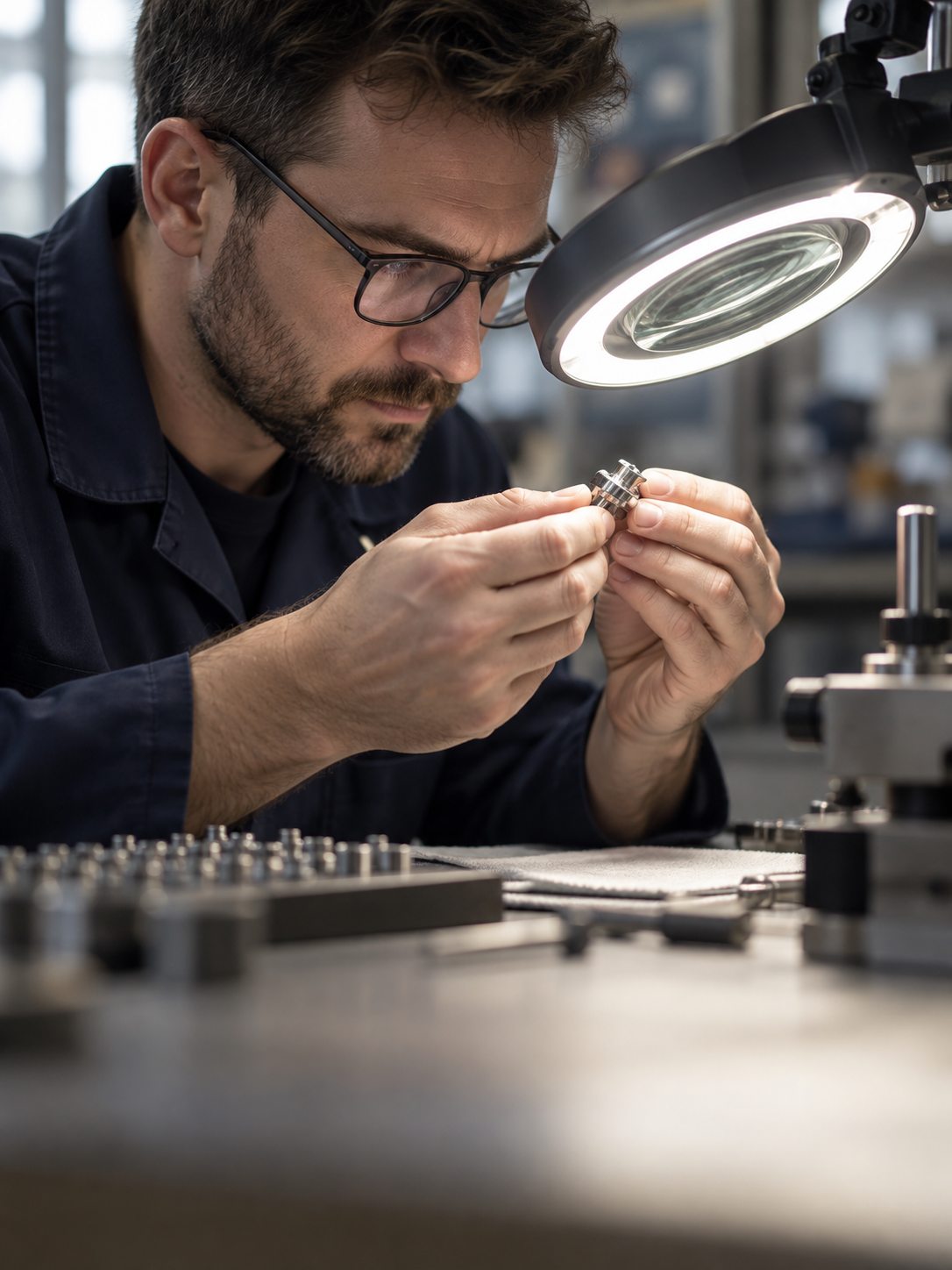
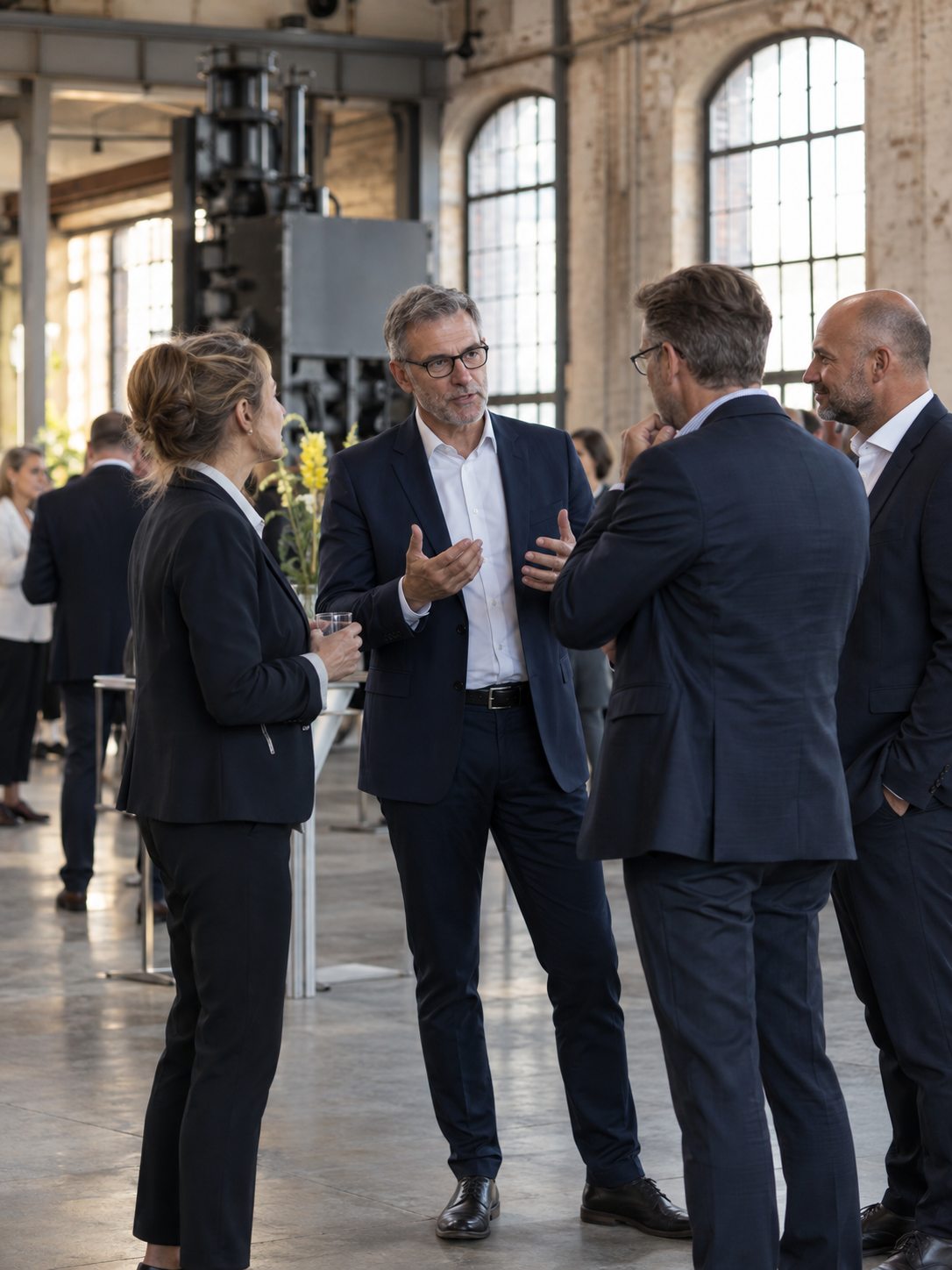
Ownership-led
Ownership, leadership and commercial responsibility remain closely connected.
Independence Choose your path ↘
Germany's Mittelstand. Connected to the world.
Germany's owner-managed businesses combine specialist know-how, regional roots and long-term thinking. They are where German industry, skilled work, innovation and international business meet.
Mittelstand United is a practical guide for the people who run these companies, invest in them, partner with them and build careers with them.
Whether you are leading a German Mittelstand business, evaluating Germany as an investment location, looking for a strategic partner or acquisition, or planning a career here, start with the path that fits you.
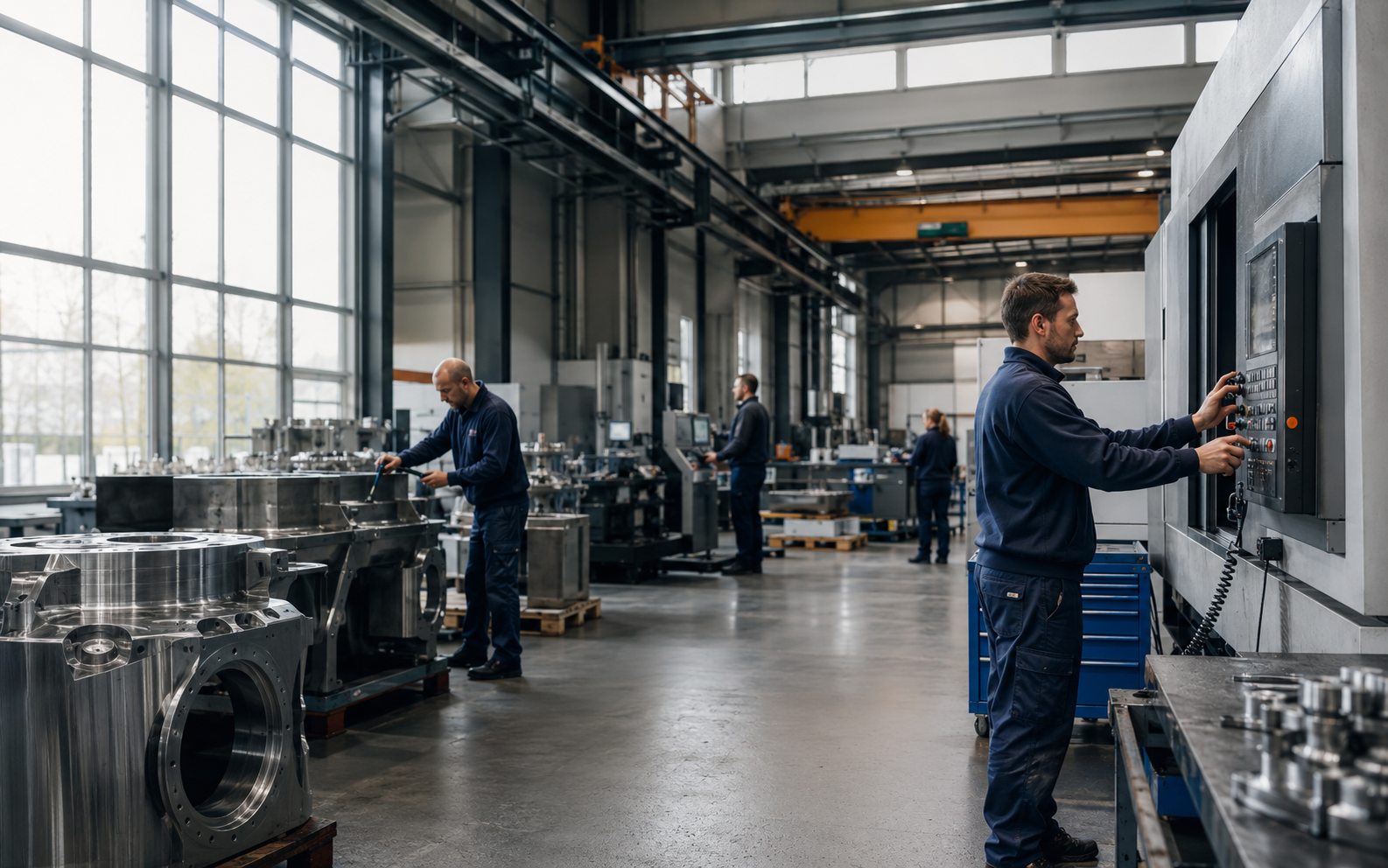
Why Mittelstand
Mittelstand is not simply another word for SME. The German idea is strongly associated with the unity of ownership and management, long-term decision-making, independence, regional attachment and specialised expertise.
What Makes the Mittelstand Different →Ownership, leadership and commercial responsibility remain closely connected.
IndependenceDecisions are shaped by continuity, patient investment and responsibility across generations.
StewardshipDeep expertise, regional attachment and trusted relationships create value far beyond company size.
CapabilityFrom roots to global specialists
A concise view of how today's ownership culture, training system, specialist manufacturing base and global orientation developed.
Vocational training, specialist craftsmanship, local responsibility and business independence.
Learn the roots →Owner- and family-driven industrial businesses grew alongside the old craft economy.
See the industrial shift →Private enterprise, skilled work and export-oriented industry expanded rapidly.
Explore the post-war chapter →Highly specialised companies became little-known global niche leaders.
Understand Hidden Champions →Internationalisation, digitalisation and connected manufacturing reshaped competition.
See how the model adapted →Energy, demographics, AI, regulation, decarbonisation and succession define the 2020s.
See the next chapter →The next chapter
The model is not in decline, but it is being tested. Those pressures create questions for owners and opportunities for international partners, investors and talent.
Talent & Demography
Ownership Transfer
Costs, Investment & Regulation
Digitalisation, AI & Transformation
Start with who you are
These audience gateways bring together the most relevant topics, tools and next steps for each visitor.
Continuity, competitiveness, people, finance, succession, technology and international growth.
Explore the Owner Guide → 02Evaluate Germany, choose a location and decide whether to build, partner or acquire.
Explore Investing in Germany → 03Find routes through suppliers, partnerships, networks and acquisitions.
Explore Partnerships & Acquisitions → 04Understand Mittelstand careers, vocational routes, qualifications, immigration and working life.
Explore Talent & Careers →Explore by subject
Each guide leads directly to a subject landing page.
Definition, ownership culture, Hidden Champions, regional roots and what makes the model distinctive.
Read the Mittelstand Guide → 02How craft traditions, industrialisation, the post-war economy, exports and digitalisation shaped today's model.
Explore the Evolution → 03Talent, succession, investment, regulation, energy, digitalisation, AI and competitiveness.
Explore the Challenges → 04KfW, state development banks, grants, loans, guarantees, R&D incentives and succession finance.
Explore Funding Options → 05Compare clusters, development agencies, incentives, workforce and infrastructure.
Compare German Locations → 06Buying, selling, handing over or investing in German owner-managed businesses.
Explore Succession & M&A → 07Ausbildung, universities, international recruitment, recognition and workforce strategies.
Explore Talent & Skills → 08International expansion, partnerships, chambers, associations and trade fairs.
Explore Market Access →Germany by location
Industrial clusters, development agencies, funding frameworks, industrial sites, workforce conditions and municipal trade-tax rates vary by location.
Hover to lift · Click to explore
A dense landscape of specialist manufacturers, global suppliers and research-led engineering companies.
Compare the 16 Federal States →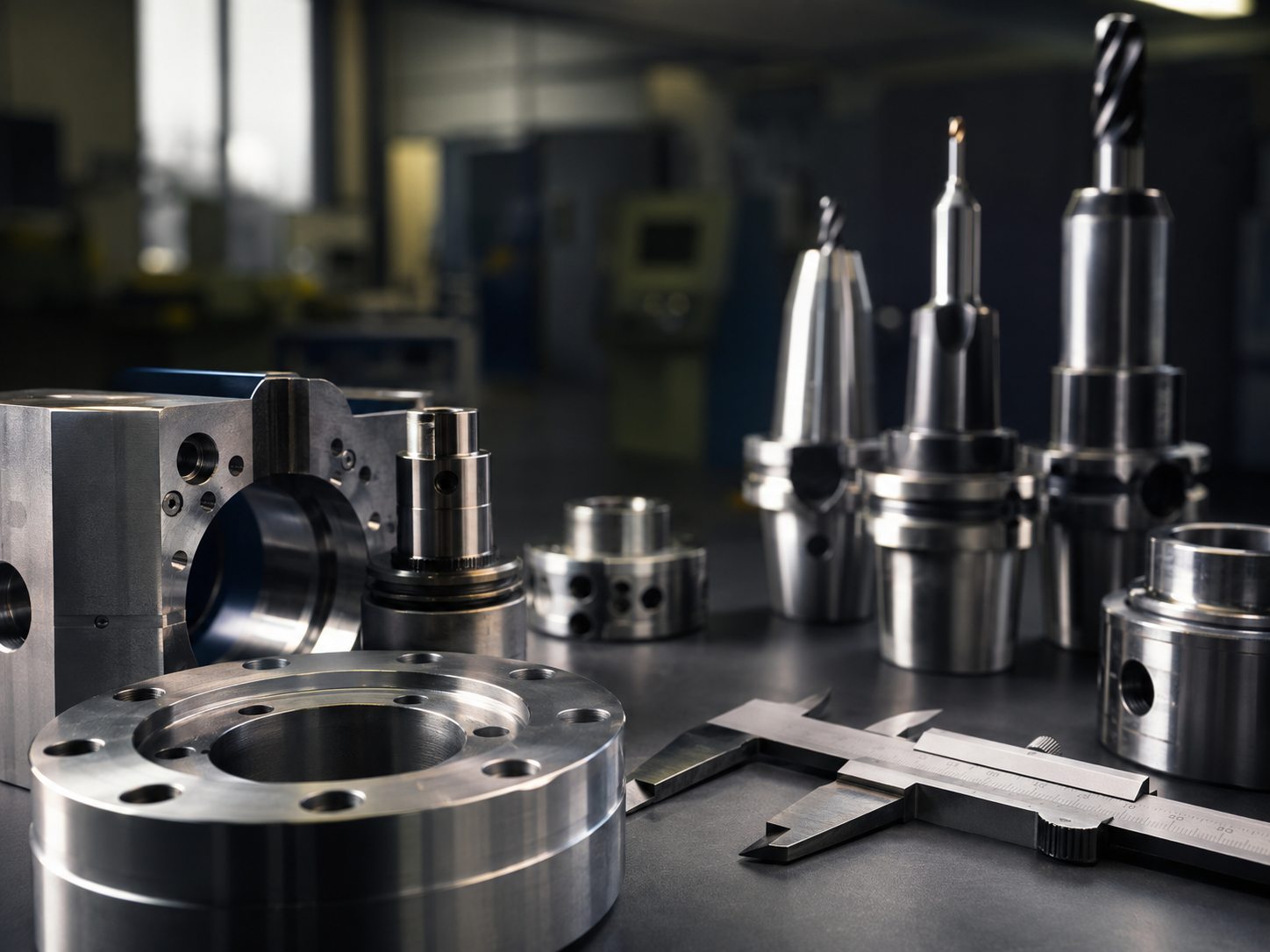
Market entry
International companies can establish a new operation, build a partnership with an existing Mittelstand company, or acquire an established business. Succession makes the acquisition route especially relevant.
People power the model
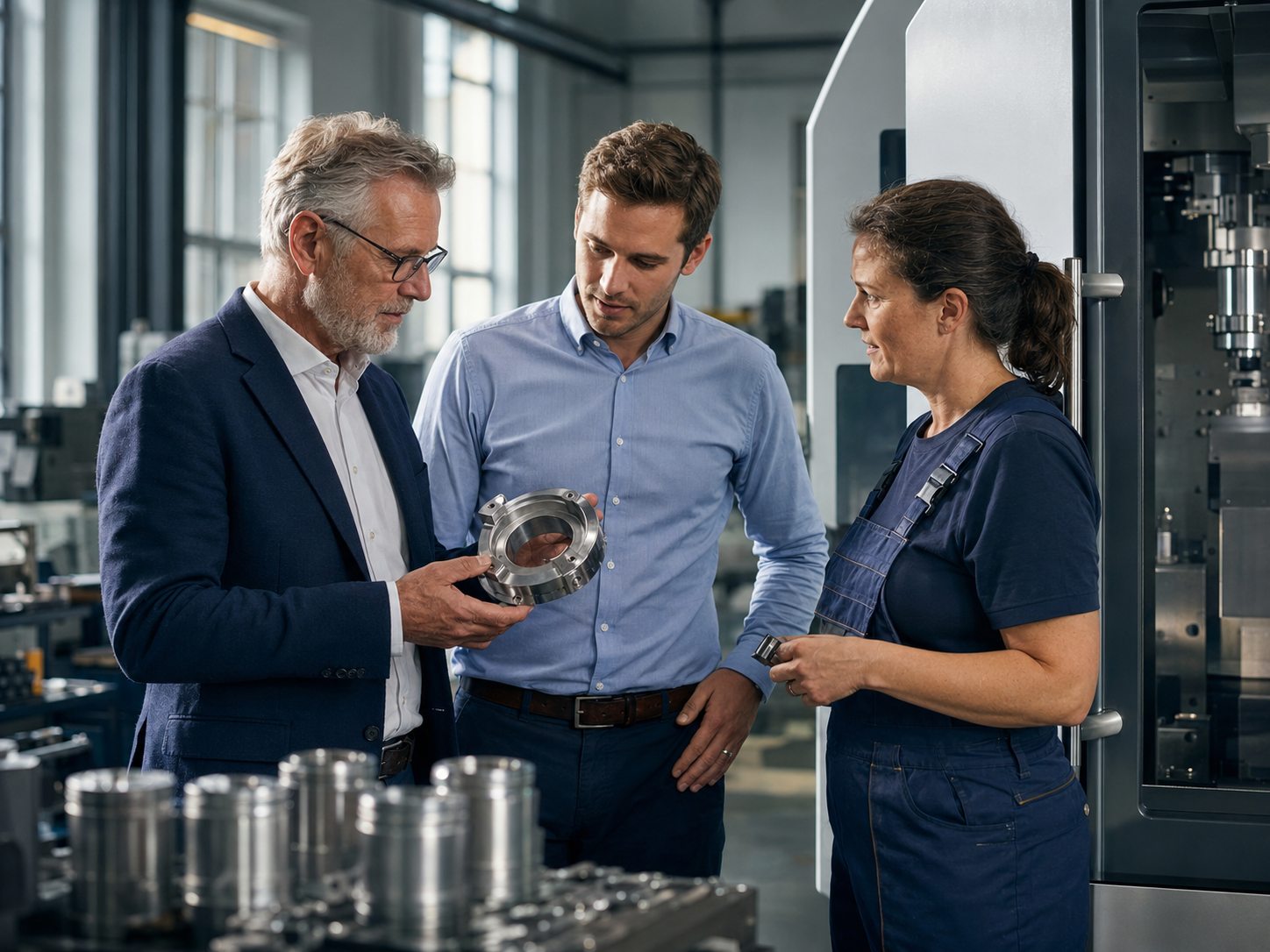
For employers, the issue is how to recruit, train and retain the people needed for the next phase of growth. For global talent, the issue is how to access Mittelstand careers through recognised qualifications, vocational routes and skilled immigration.
From regional roots to global markets
Trade fairs, chambers, associations and long-term commercial relationships connect German companies entering foreign markets with international companies seeking customers, suppliers or partners.
Explore Global Markets & Business Networks →What is changing now
Focused updates on the forces changing decisions for owners, investors, partners and talent.
Choose your route
Whether you are running a Mittelstand company, building a business in Germany, looking for a German partner or acquisition, or planning your career, Mittelstand United should make the next step easier to understand.