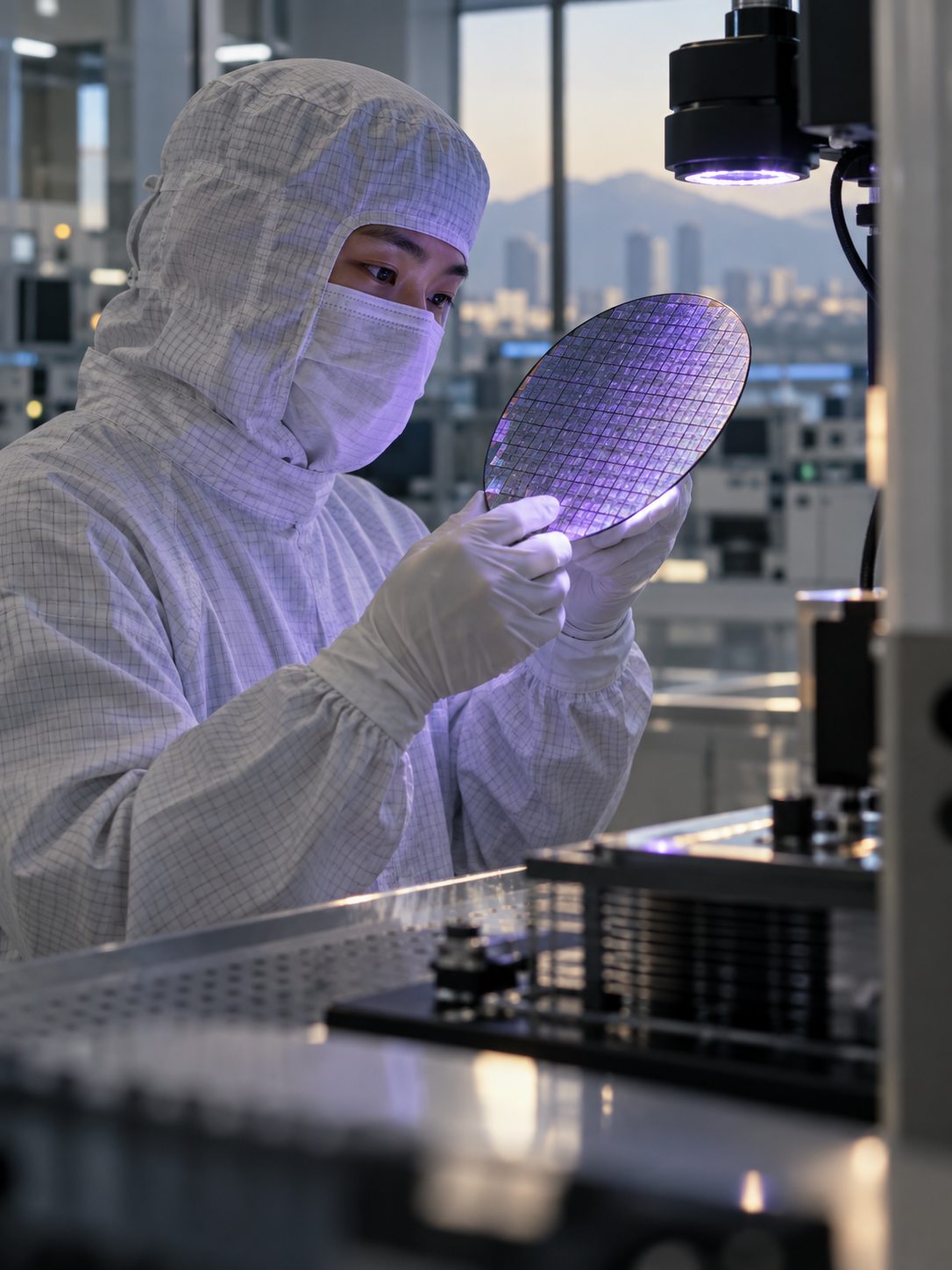
Technicians working beside machinery in an industrial production hall

16 states · many clusters

Germany’s regional Mittelstand landscape

The strength of German business is geographically distributed. Industrial clusters, universities, suppliers and specialist skills give each federal state a distinctive Mittelstand profile.

Explore the full perspective ↓
Local depth. Wider possibilities.
16 Federal states
Many Industrial clusters
Dense Supplier networks
Local Skills ecosystems
01

Germany is a network of places

Regional specialisation converts local knowledge into global competitiveness.

Germany’s industrial map is polycentric. Suppliers, universities, vocational schools, infrastructure and customers form ecosystems developed over decades. A location decision is therefore about far more than land or tax.

Three lenses

01

Cluster

Proximity improves access to suppliers, skills and applied research.

02

Connection

Transport and digital infrastructure determine practical reach.

03

Identity

Local relationships support recruitment, trust and retention.

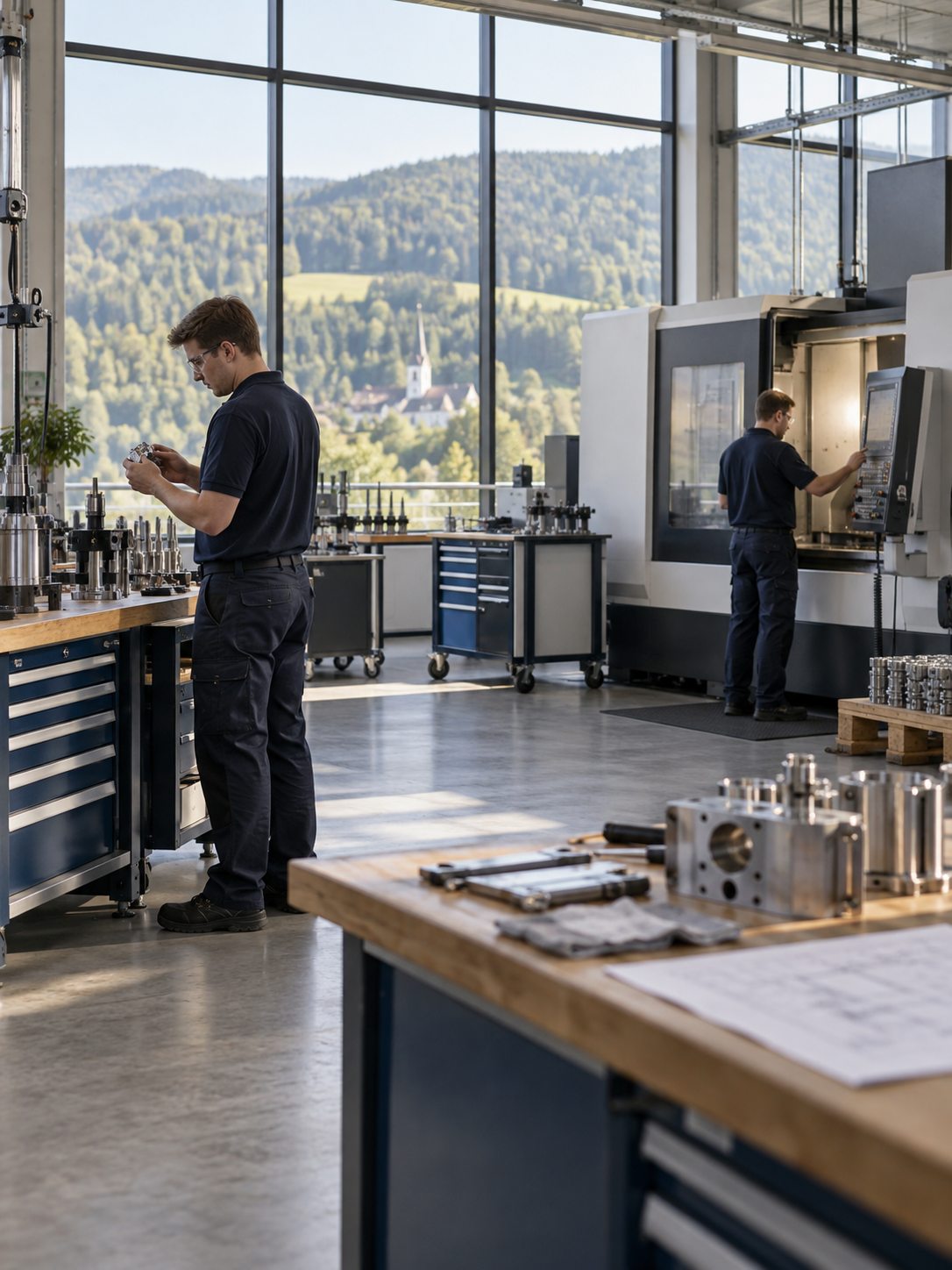
Precision machine workshop with wooded hills visible through its windows 01 German industry regions
Chapter 01

Southern engineering centres

Baden-Württemberg and Bavaria combine automotive, machinery, electronics, aerospace and research capacity. Their supplier networks include globally active specialists far beyond Stuttgart and Munich.

Treat a regional reputation as the beginning of a shortlist, not the final location decision. A manufacturer needs the right combination of component suppliers, specialist services, recruitment reach and customer access. Compare specific towns and industrial sites within a state. Two locations with similar sector profiles can differ substantially in premises, commuting patterns and practical access to the suppliers a business will use every week.

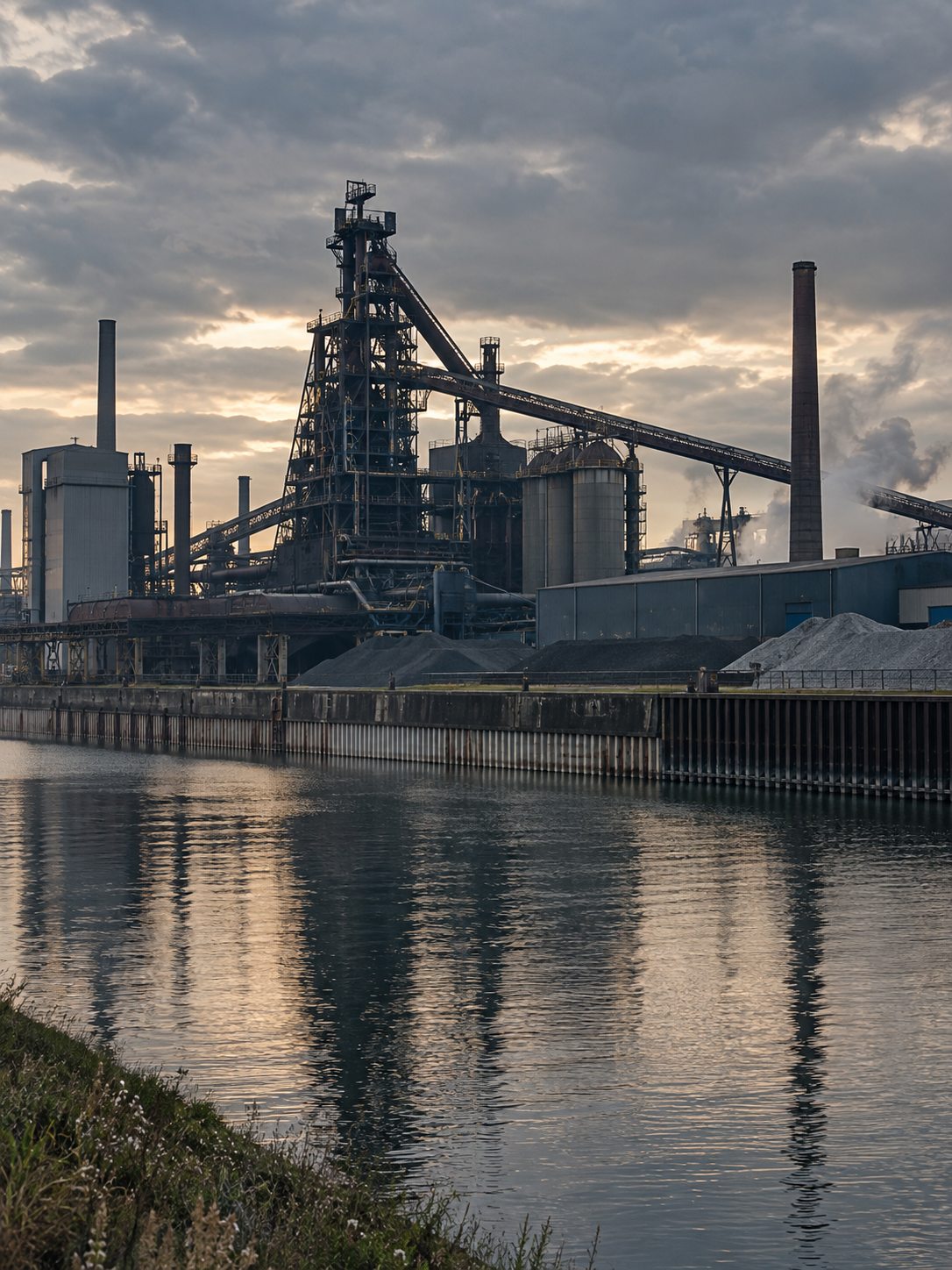
Industrial plant with steel structures and a canal in the foreground 02 Mittelstand regions
Chapter 02

Rhine-Ruhr and western industry

North Rhine-Westphalia is Germany’s largest business region, with deep capabilities in chemicals, machinery, logistics, energy and industrial services. Rhineland-Palatinate and Saarland add materials, pharma, automotive supply and cross-border links.

For a western German location shortlist, examine the actual flow of goods and services rather than distance on a map alone. How often will a supplier visit? Which customer sites need rapid support? Which routes will staff use? A location that looks central can still create operating friction if the company’s most frequent movements are poorly served. Test the shortlist against representative working days and delivery schedules.

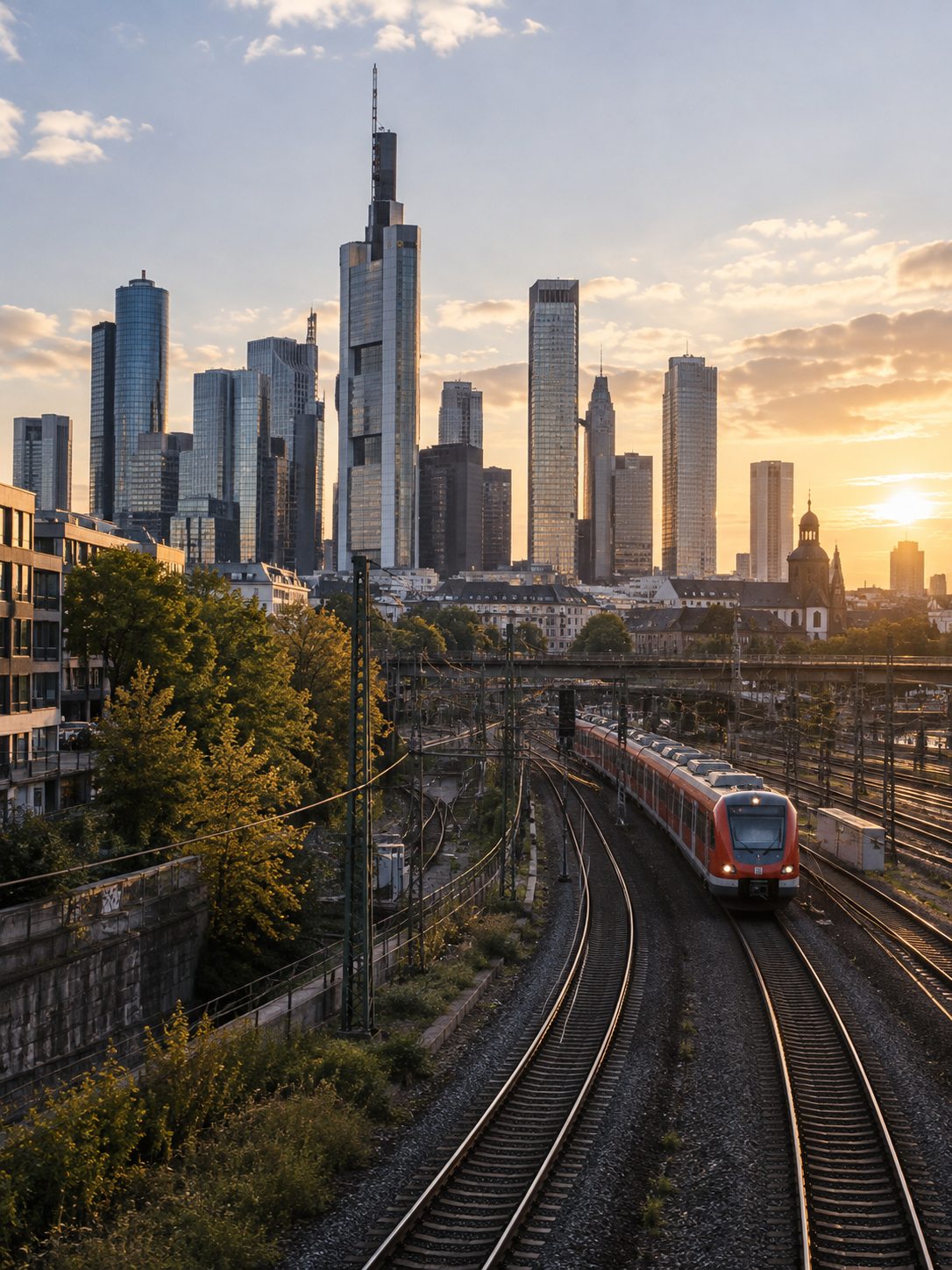
Urban business district and commuter railway in warm evening light 03 industry clusters Germany
Chapter 03

Frankfurt RheinMain and Hesse

Hesse brings together finance, logistics, pharmaceuticals, chemicals, data infrastructure and international connectivity. Mittelstand firms benefit from one of Europe’s most connected metropolitan regions.

An internationally connected business region can be valuable for companies that need frequent travel, professional services or proximity to financial and commercial partners. Balance those advantages against the needs of the production operation. A headquarters, service team and workshop do not necessarily need identical location criteria. Document which activities benefit from proximity and which can operate effectively through planned visits and reliable digital processes.

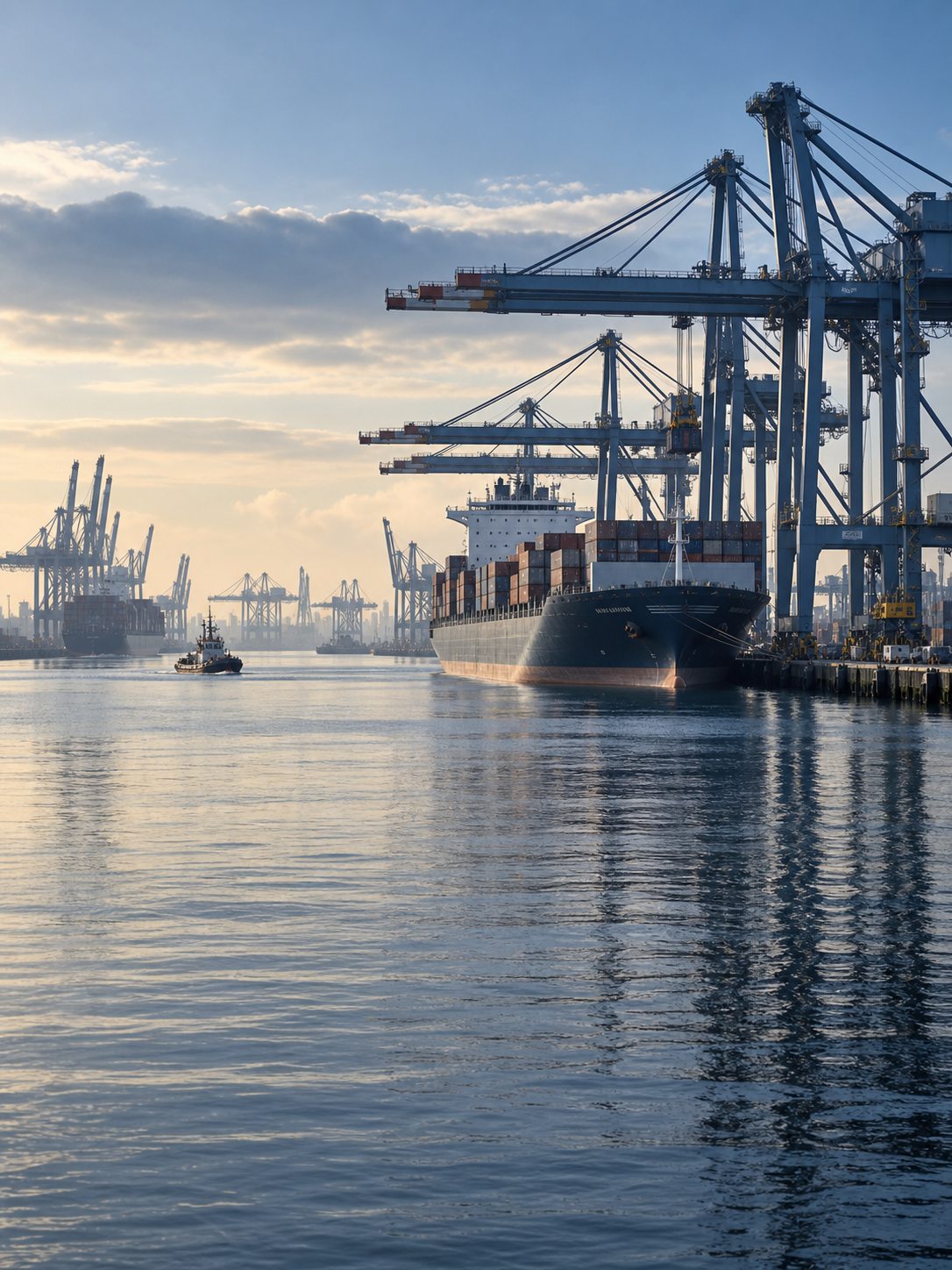
Container cranes and a cargo vessel in a northern European port 04 German federal states business
Chapter 04

Northern gateways

Hamburg, Bremen, Lower Saxony, Schleswig-Holstein and Mecklenburg-Vorpommern combine ports, maritime industries, aviation, food, logistics and renewable energy.

Port-linked and coastal business models bring distinctive operating questions. An exporter may prioritise forwarding support, shipment visibility and access to customers outside Germany; a supplier serving marine or energy projects may need specialised capabilities nearby. Ask logistics partners to test a representative shipment rather than offering only a general transit estimate. Include inventory planning and exception handling in the comparison.

Technician examining a silicon wafer in a semiconductor cleanroom 05 Germany manufacturing locations
Chapter 05

Eastern technology and transformation

Saxony is a major semiconductor and precision-engineering location. Thuringia is known for optics and medtech, while Brandenburg and Saxony-Anhalt offer energy, logistics, chemicals and new industrial investment. Berlin adds a closely connected digital, creative and life-sciences ecosystem.

When reviewing technology-led locations, look for usable relationships with research organisations and suppliers. Proximity is only helpful when there is a practical route to collaboration, recruitment or testing. Ask which facilities are accessible, how partnerships are initiated and what lead times apply. Include an on-site visit in the shortlist process so the team can assess the operating environment beyond promotional material.

The Mittelstand reference

Regional development banks: starting points.

Your investment location is an important input to a funding search. These examples from the original site offer direct routes to regional providers; use their current programme information for project-specific conditions.

For other locations, search the Förderdatenbank by region and project purpose, then confirm details with the responsible institution.

Compare your options

A location shortlist that reflects the business

A location shortlist that reflects the business
DimensionQuestion to testEvidence to request
SuppliersCan critical work be sourced and serviced nearby?Capability discussions and sample quotations
PeopleCan the site attract the required roles?Recruitment and commuting assessment
LogisticsDo frequent movements work reliably?Representative routes and shipments
ResearchCan local expertise be accessed in practice?Named contacts and collaboration process

Put the guide to work

From regional research to a site decision

A practical framework from Mittelstand United. Adapt these steps to your business, operating context and available evidence.

  1. 01

    Define non-negotiable requirements

    List production, premises, workforce and customer constraints before looking at individual sites. Distinguish requirements from preferences so a strong narrative does not outweigh an operating gap.

  2. 02

    Compare a consistent set of locations

    Use the same brief and scoring dimensions for each candidate. Speak to regional development teams and potential operating partners, then record what is confirmed and what remains an assumption.

  3. 03

    Validate on the ground

    Visit shortlisted sites with the people responsible for delivery. Review access, neighbouring activities and realistic recruitment needs before making a commitment.

Go to the source

Continue with the official sources.

Germany Trade & Invest describes industry strengths and regional business clusters. Read the source

Germany Trade & Invest: industries and clusters
Source links checked 9 September 2026. Chapter images are AI-generated illustrations and do not identify a featured company or location.

Frequently asked questions

Clear answers,
useful context.

Is the Mittelstand concentrated in major cities?+

No. Many leading firms are based in smaller cities and rural districts close to specialised supplier and skills networks.

Which state is best for manufacturing?+

There is no single best state; suitability depends on the sector, supply chain, labour needs, infrastructure and customer access.

Why do clusters matter?+

They concentrate skills, suppliers, research capacity and shared infrastructure, improving innovation and recruitment.

How can I compare German industrial regions for my business?+

Use a common brief covering suppliers, required skills, premises, logistics and customer access. Compare specific sites and verify their capabilities rather than choosing solely on a federal state’s reputation.

Your next conversation

Bring your next question.

Discuss your business context, explore the connected guides or start a conversation with Mittelstand United.

Connect with Mittelstand United ↗

Continue exploring

Understanding the Mittelstand What is the German Mittelstand? ↗ Transformation agenda The biggest challenges facing German SMEs ↗ Germany’s support ecosystem Support and funding for German SMEs ↗